September 30, 2026
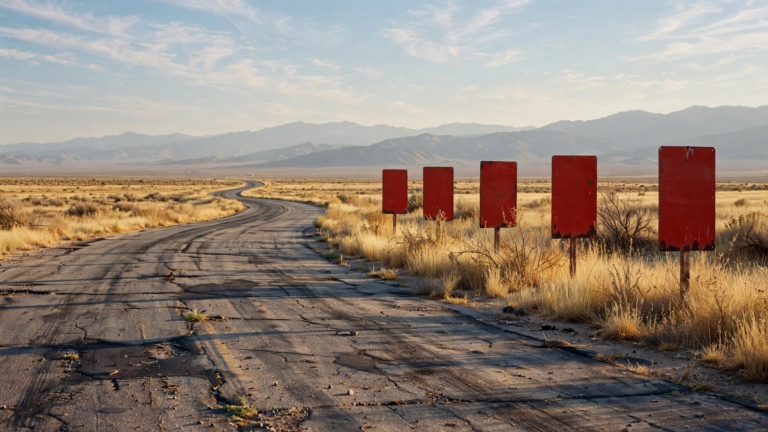
Burma-Shave: How Five Red Signs Turned American Roads Into a Running Joke
Before billboards filled the highway, a small shaving company used five roadside signs, a little rhyme, and the patience of…
Before billboards filled the highway, a small shaving company used five roadside signs, a little rhyme, and the patience of…

In November 1920, a small Westinghouse station in Pittsburgh sent election returns through the air. The experiment helped reveal that…
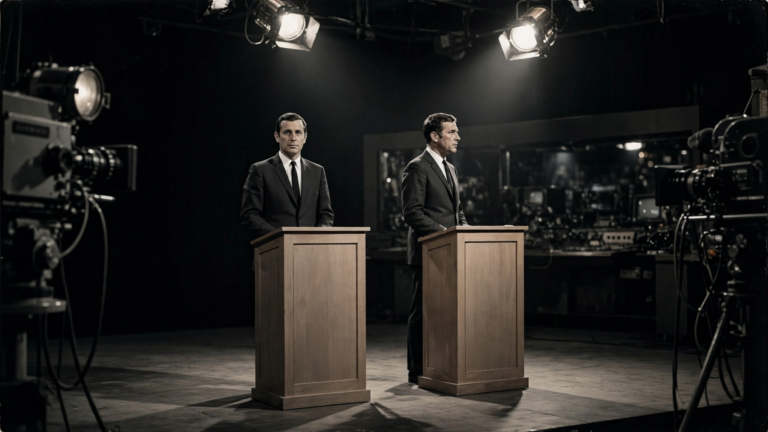
Before 1960, Americans mostly encountered presidential candidates through speeches, newspapers, and radio. The first televised debates introduced a new measure…
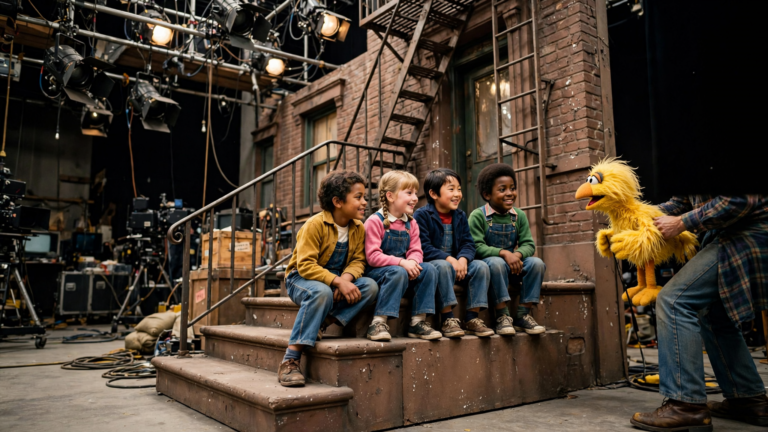
When Sesame Street premiered in 1969, its creators joined child development research, public television and playful puppetry to build a…
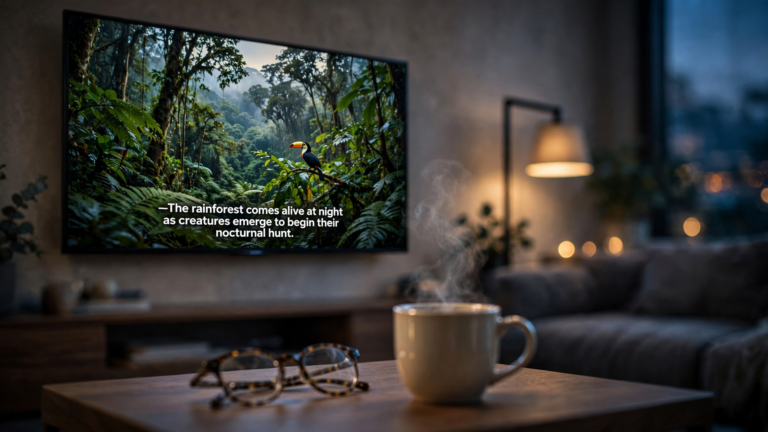
What began as an experiment for deaf and hard-of-hearing viewers became one of television’s most important public-access technologies—and a model…
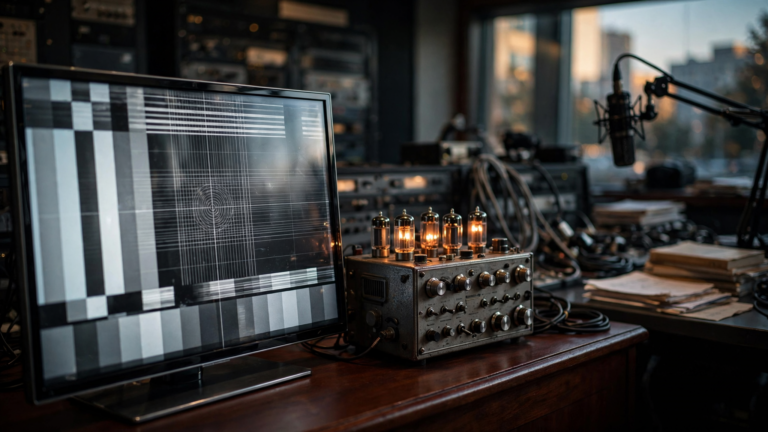
From Cold War sirens to today’s television crawls and radio interruptions, the Emergency Alert System has turned local broadcasters into…
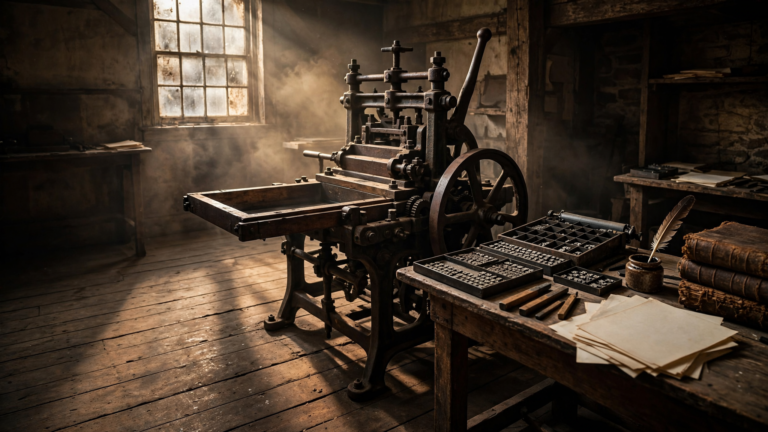
In 1827, Freedom’s Journal gave Black New Yorkers a paper of their own—and made a lasting argument for who had…
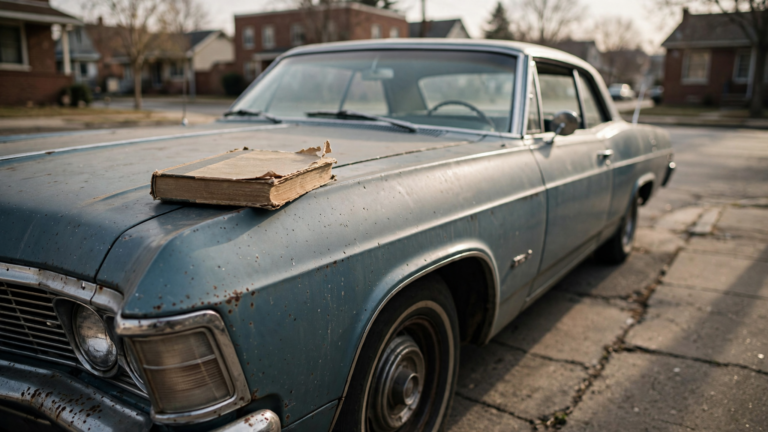
Ralph Nader’s 1965 book challenged the idea that crashes were simply a driver’s fault—and helped push automobile safety into American…
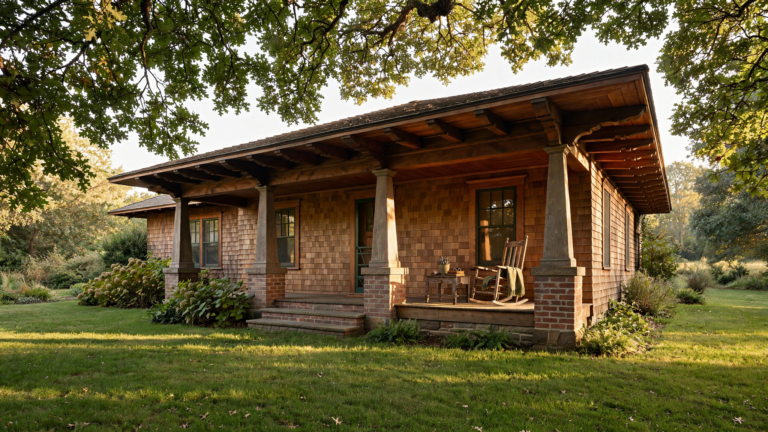
With low roofs, wide porches, and rooms arranged for ordinary life, the American bungalow became one of the country’s most…
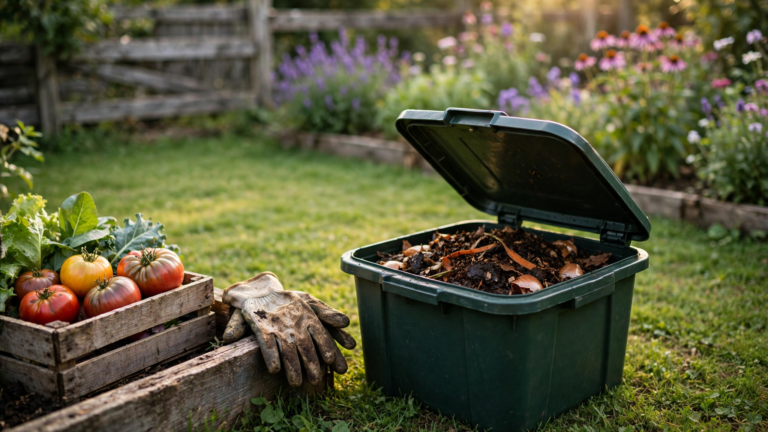
A backyard bin, a balcony tumbler, or a small countertop system can give food scraps a useful second life—and make…
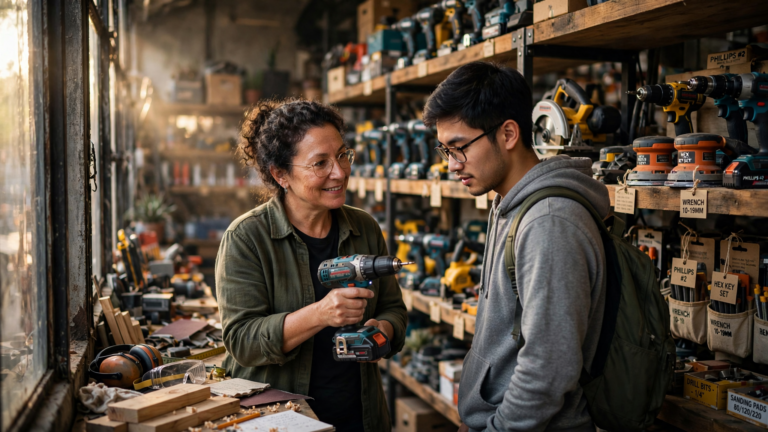
Across the United States, tool libraries are turning an occasional household expense into a shared community resource—helping people fix, build,…
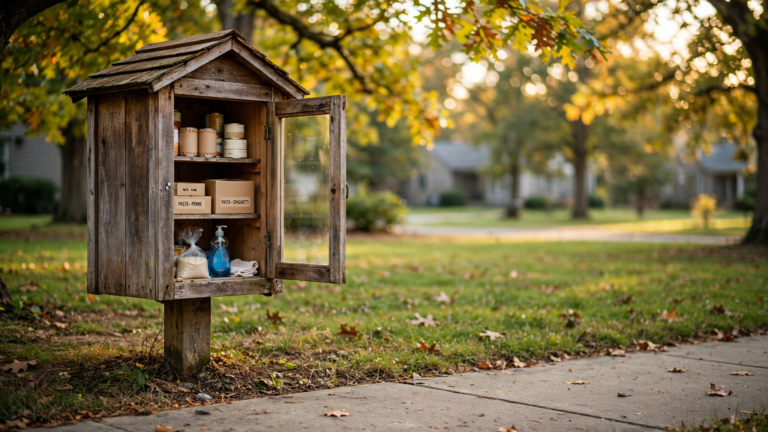
Across the United States, small outdoor pantries are giving neighbors a simple way to share food, household supplies, and practical…