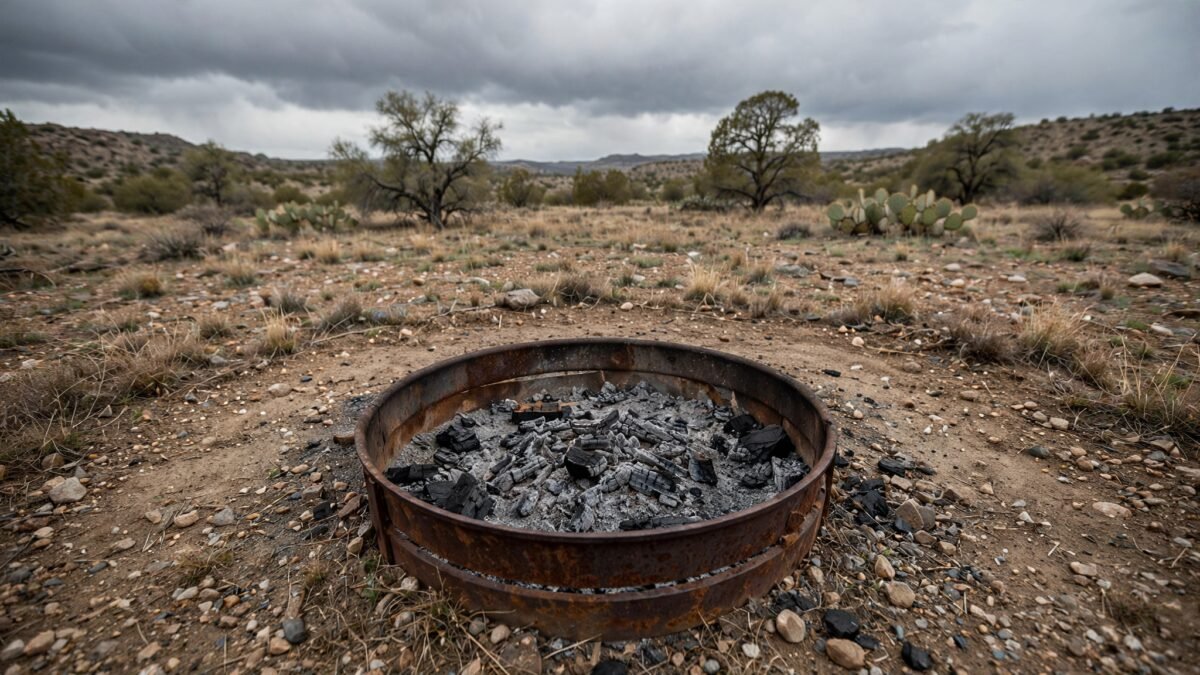
Seasonal fire restrictions have been lifted on Bureau of Land Management property in Yavapai County, affecting public-land visitors from Prescott and surrounding communities.
The change took effect Friday, Sept. 5, 2025. It applies to lands administered by the BLM’s Phoenix and Colorado River districts across a broad section of Arizona and along the Colorado River in California.
The BLM announced the decision Sept. 4, citing increased precipitation, more rain in the forecast and higher moisture levels in vegetation and other wildfire fuels. Those conditions lowered the assessed wildfire threat enough to end the seasonal restrictions.
Other Arizona counties included in the change are La Paz, Maricopa, Yuma, southern Mohave, northern Pinal and western Pima. The action also covers BLM property in portions of Imperial and Riverside counties in California.
### Local rules may still differ
The end of these BLM restrictions does not mean every fire rule has been removed across Yavapai County. Requirements can vary by agency, county and other jurisdiction, and closures may remain in place for reasons unrelated to seasonal restrictions.
Before heading to public land, visitors should verify current regulations for the specific area they plan to use. Information is available through local BLM offices and Arizona’s interagency wildfire website at wildlandfire.az.gov.
Two activities remain prohibited on BLM-managed lands throughout Arizona regardless of the seasonal change: fireworks and exploding targets.
### Campfires still require care
Where campfires are allowed, visitors should use an established metal fire ring or grill when one is available. Firewood should remain within the boundaries of that structure rather than extending beyond it.
For a ground fire in an area where one is permitted, the site should be separated from overhanging branches, nearby plants and other combustible material. Dry grass, leaves and similar fuels should be cleared from beneath and around the fire. Campfires should be avoided during windy conditions whenever possible.
A fire must be completely out before anyone leaves the site. The BLM advises using water and dirt, then stirring the remains with a shovel until the entire area is cold when touched. Warm coals can continue to pose a risk even when flames and smoke are no longer visible.
Portable stoves also require a clear area free of grass and other fine fuels. Users should place stoves securely so they cannot tip and ignite nearby vegetation.
### Vehicles and equipment can ignite vegetation
Drivers should not park over dead grass because heat from a vehicle’s catalytic converter can start a fire. Cigarettes should be placed in an ashtray and never thrown from a vehicle. Cigarette butts and burned debris should be removed from campsites under Leave No Trace practices.
Extra caution is also advised when firing a gun, using an internal-combustion engine, welding, working with acetylene or another open-flame torch, or handling explosives in locations where those activities are otherwise permitted. Each can create sparks or heat capable of igniting dry fuels.
For Prescott-area residents, the lifting of the seasonal restrictions expands permitted recreation options on affected BLM lands, but it does not eliminate wildfire danger or the need to confirm site-specific rules. Conditions and restrictions can change, making a current check part of planning any public-land visit.